🟢Multiverse AI Tutorial for Beginners – Step-by-Step Guide (2025)

🚀Learn Multiverse AI step by step in 2025. Beginner-Friendly Setup, Dashboard Demo, and Pro Tips to Create Text, Images & Videos Faster.
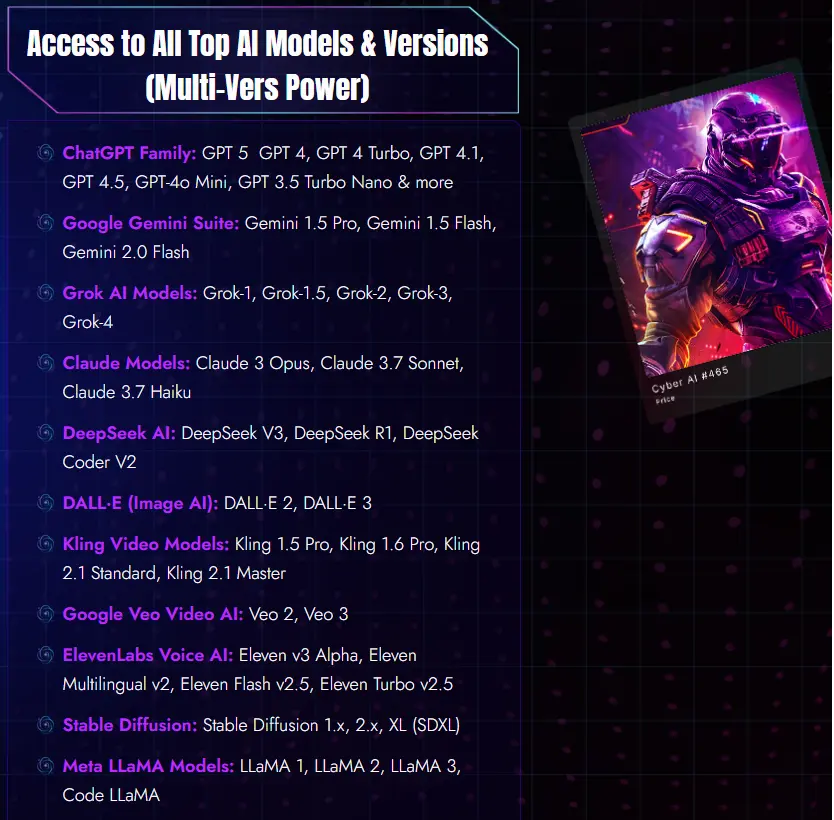
Multiverse AI dashboard hero demo
Multiverse AI Review 2025

Introduction

Feeling overwhelmed by AI tools? You’re not alone. Many first‑time users jump into a new platform, click around for a few minutes, then give up because they can’t see a simple path from idea to output. This beginner‑friendly guide changes that. In this Multiverse AI tutorial for beginners, you’ll learn exactly how to start, what to click, and how to get fast results—without jargon.

Multiverse AI is an all‑in‑one platform that lets you create text, images, and videos from a single dashboard. You don’t need separate subscriptions or complex workflows. Follow this multiverse ai step by step guide to move from confusion to clarity, and see your first project go from prompt to publishable assets in minutes.

Multiverse AI Tutorial for Beginners – Step-by-Step Guide (2025)

Quick Setup (Step-by-Step)

1
Create your account. Visit the official page and sign up with your best contact email. Use a password manager to generate a strong password. Confirm your email if prompted so you can access updates and training. This is the foundation for your Multiverse AI setup tutorial and takes less than a minute.
Multiverse AI setup tutorial sign up page
2
Choose a starting workspace. After login, the platform offers quick access tiles for Text, Image, and Video. Beginners should start with text to learn prompt basics. Hover each tile to see short explanations—this is your built‑in multiverse ai usage demo.
Multiverse AI dashboard explained tiles
3
Understand prompt anatomy. A good prompt states your goal, audience, and format. Example: “Write a 600‑word blog post for beginners about workout tips, use friendly tone, add three subheadings.” Clear inputs produce clear outputs—your first win in this multiverse ai beginner guide.
How to use Multiverse AI prompt editor
4
Generate and refine text. Click Generate to produce a draft. Use the refine tools to expand, shorten, or change tone. If a section feels generic, add context and regenerate. Short, iterative prompts are more effective than one giant instruction—an essential tip in any multiverse ai walkthrough.
Generated text draft view
5
Add images that match your text. Switch to the Image tool, paste a concise image prompt, and match the style to your brand (e.g., minimalist, photorealistic, isometric). Save favorites into a project folder so you can reuse them later. This keeps your tutorial coherent and visually strong.
Image generation demo
6
Transform content into short videos. Open the Video tool, select a template, and import your script or bullet points. Choose a voice, add captions, and render. Short clips help your audience absorb key steps—perfect for social posts or course modules.
Video creation tool demo
7
Export and organize assets. Download text as Markdown or DOCX, export images as PNG/JPG, and render videos to MP4. Store them in a clear folder structure: /Project/Blog/Images, /Project/Shorts. This simple habit saves hours when you scale.
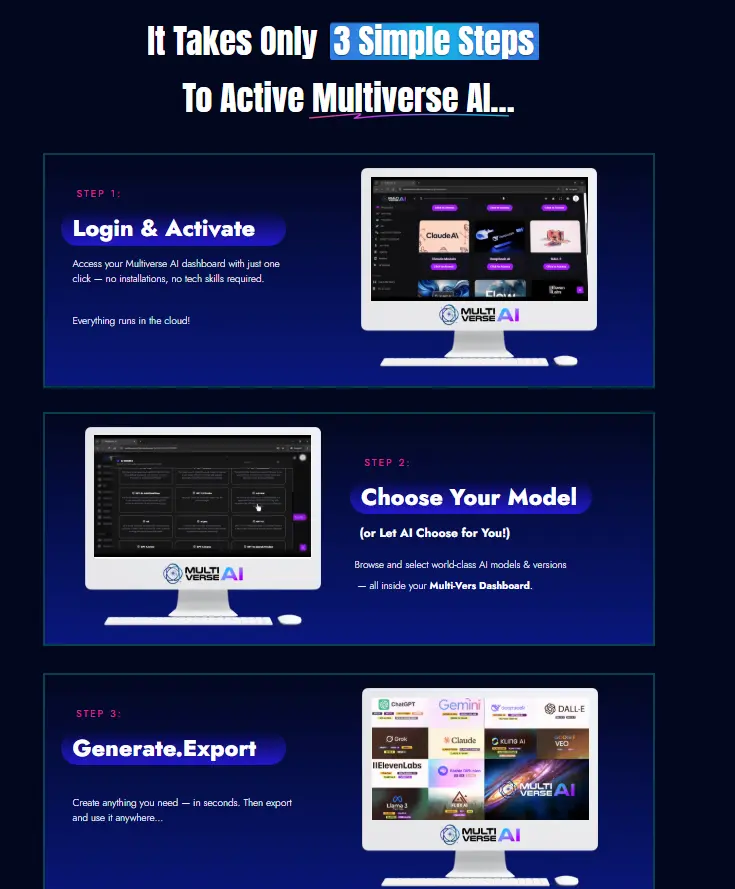
Export assets
Multiverse AI Tutorial for Beginners – Step-by-Step Guide (2025)

Deep Walkthrough — From Blank Page to Publish

Plan your output. Decide the final assets you want: a 900‑word blog, two inline images, and a 25‑second short. With the end in mind, prompts become easier to design, and your multiverse ai tutorial 2025 turns into repeatable practice.

Outline first. Ask the text tool: “Give me an outline with H2s and H3s for a beginner guide to stretch therapy, friendly tone.” Approve the structure, then expand each section one at a time. Smaller requests yield sharper results.

Layer details. For each paragraph, add a 1‑sentence story or stat. If you lack numbers, ask the AI to suggest ranges or qualitative comparisons. Your draft becomes more concrete, which improves reader trust.

Add visuals for key moments. When a paragraph introduces a new idea, generate a supportive image. Use concise prompts: object, style, angle, and mood. Save two variations; choose the one that reinforces clarity.

Convert highlights into video. Paste your three most helpful tips into the video tool. Select a voice that matches your brand. Turn on captions for silent‑autoplay feeds. Add a 2‑second hook at the start so scrollers pause.

Proof and package. Read aloud once. Fix rhythm and transitions. Export assets and add alt text like “beginner stretching demo — step A” so search engines and screen readers understand the context.

Dashboard Explained & Use Cases

Vareview.info Dashboard overview. The left panel lists the major tools (Text, Image, Video). The top bar shows your profile, credits, and settings. The main canvas displays your current workspace with prompts, outputs, and history. Tooltips appear on hover so you always know what a button does—ideal for a multiverse ai dashboard explained tour.

Project folders. Create a folder for each campaign or client. Folders keep your drafts, images, and clips together, so your multiverse ai setup tutorial stays organized when projects multiply.

Templates and presets. Save high‑performing prompts, brand tones, and image styles as presets. This is a time‑saver every beginner appreciates in a multiverse ai beginner guide.

Prompt Cookbook — Copy, Paste, and Adapt

Blog draft: “Write a 900‑word beginner guide about [topic]. Audience: adults starting from zero. Tone: warm, plain‑English, specific examples. Structure: H2 with 3 H3s. Include a 4‑item checklist at the end.”

Explain like I’m new: “Rewrite the previous section for a total beginner. Keep sentences short. Replace jargon with analogies. Keep core facts accurate.”

Image prompt: “Minimalist flat illustration of [object] from [angle], high contrast, clean background, suitable for blog header.”

Video prompt: “Create a 25‑second tip video with 3 bullet points from this text. Friendly voice, captions on, brisk pacing, end with a one‑line call to action.”

Brand voice preset: “Tone: clear, helpful, encouraging. Avoid hype. Prefer concrete verbs over adjectives. Always include one practical example.”

Applied Mini‑Projects — Practice That Builds Skill

Mini‑Project 1: Beginner Blog + Visual Pair. Choose a simple topic like “meal prep for busy students.” Draft 800–1000 words with three H2s. Generate a clean hero image and one inline illustration. Publish with descriptive alt text and a one‑line summary at the top.

Mini‑Project 2: Comparison Cheat Sheet. Write a short side‑by‑side comparison of two tools in your niche. Use bullet points and a verdict line. Create a minimalist comparison graphic. Export a 20‑second video that lists the three deciding factors.

Mini‑Project 3: Micro‑Tutorial Series. Pick a task that fits into three steps. Draft a 300‑word explainer, generate a step diagram, and cut a 15‑second video for each step. Publish as a carousel or thread to test engagement.

Use Case A — Blog + Social Pack

Draft a blog post with three subheadings, generate a hero image and two inline illustrations, then cut the blog into five short video tips. This end‑to‑end flow turns one idea into a content bundle, and the multiverse ai usage demo makes it simple.

Use Case B — Product Launch Teaser

Write a landing page outline, generate a clean product mockup image, and produce a 30‑second teaser with captions. Publish the trio on your website and social channels the same day to maximize momentum.

Pricing, Plans & Alternatives

Pricing Snapshot

Multiverse AI uses credit‑based plans with tiers that scale as your projects grow. Entry tiers are suitable for solo creators; higher tiers fit agencies. Choose a plan that covers a month of expected drafts, images, and short videos.

Which plan is best?

Beginners can start low and upgrade after verifying their workflow. Watch credit usage during your first week, then switch tiers so you’re paying for output you actually deploy.

Feature Multiverse AI Jasper AI MidJourney ChatGPT
Text GenerationYesYesNoYes
Image GenerationYesNoYesLimited
Short Video CreationYesNoNoNo
Beginner OnboardingGuidedModerateCommunity‑ledGood
All‑in‑one WorkflowYesText‑focusedImage‑onlyText‑first

Bottom line: If you need one place to plan, draft, illustrate, and cut short videos, Multiverse AI minimizes tool‑switching. If you only write, Jasper AI is fine. If you only illustrate, MidJourney excels. If you primarily draft text and chat, ChatGPT is great—but you’ll still piece together visuals elsewhere.

Troubleshooting & Quality Control

Outputs feel generic? Add context. Who is the reader, what do they want, what constraints do they have? Provide a tiny case study for the AI to mirror.

Images don’t match your vibe? Specify style adjectives (flat, photorealistic, soft‑shadow), shot type (macro, top‑down), and color mood. Keep prompts short but descriptive.

Video pacing feels slow? Shorten sentences, raise words‑per‑minute slightly, and cut dead air between scenes. Always enable captions for silent viewing.

Unsure about data points? Ask the AI to suggest qualitative comparisons or generic ranges, then verify with trusted sources before publishing.

Pro Tips & Best Practices

Do’s

  • Write short prompts, then iterate. Ask for “expand section 2 with an example,” instead of rewriting the whole brief.
  • Save winning prompts as presets so future projects take minutes.
  • Keep brand voice consistent. Define tone once (e.g., warm, confident, plain‑English) and reuse it.
  • Batch work: generate text first, then images, then short clips. This linear flow keeps you fast.

Don’ts

  • Don’t chase perfection on the first pass—prototype quickly, then refine the parts readers will actually see.
  • Don’t forget alt text and captions; accessibility boosts engagement and discoverability.
  • Don’t overload a single step with too many sub‑actions. Break complex moves into smaller wins.

FAQ

Yes. The interface is clean, tooltips explain what to click, and you can start with the text tool before moving to images and short videos. Most users complete their first project in under an hour. If you follow this multiverse ai tutorial 2025 closely, you’ll feel confident without prior experience.

No. If you can describe what you want in simple sentences, you can create content. Start with short prompts, then refine. The platform provides helpful defaults, so your first multiverse ai walkthrough feels guided rather than technical.

It depends on output volume. Bloggers creating one post per week with a few graphics and a short clip usually do fine on lower tiers. Agencies that batch content for several clients should consider higher plans after tracking the first week of usage.

For many users, yes—because text, images, and short video live in one place. If you only write, a text‑only tool could be enough. If you only create art, an image‑first app might suit you. The advantage here is fewer subscriptions and faster publishing.

Yes. Save your preferred tone, formatting, and prompt structures as presets. Over time, you’ll build a reusable library that speeds up every new project. This is a core strategy in any multiverse ai beginner guide.

Tutorials, blog posts, social carousels, product teasers, and short educational clips. The all‑in‑one workflow shines whenever you need text, visuals, and lightweight video without switching tools or hiring several services.

Yes. You’ll find getting‑started lessons, help articles, and responsive support. Use the guided tips in the dashboard to learn faster. Combine that with this multiverse ai step by step guide and you’ll progress rapidly as a beginner.

30‑Day Implementation Roadmap

Week 1 — Orientation: Finish this guide, recreate the sample project, and save your first three presets (blog outline, image style, short‑video template).

Week 2 — Repeatable Flow: Produce two more projects using the same flow. Track time spent in each step. Tweak prompts where you hesitate or backtrack.

Week 3 — Scale: Batch four ideas at once. Draft all posts first, then generate images, then cut four shorts. Batching boosts focus and reduces tool switching.

Week 4 — Improve Quality: Add expert quotes, clearer data points, and branded visuals. Build a checklist so every new piece hits your quality bar on the first pass.

Workflow Checklist — Repeat for Every Project

  • Define outcome: length, audience, and channels.
  • Outline first; expand section by section.
  • Generate text, then visuals, then short clips.
  • Save presets for prompts, tone, and styles.
  • Add alt text, captions, and a one‑line summary.
  • Export, publish, and log results to improve next time.

Conclusion

You’re ready. With a clear process, Multiverse AI turns uncertainty into output. Draft a post, illustrate it, and cut a short video—inside a single dashboard. Start small, build presets, and improve every week. The sooner you begin, the sooner your workflow compounds.

🔥 Start Multiverse AI — Create Your First Project Today

ℹ️ Transparency: I may earn a small commission if you buy through links in this review — at no extra cost to you. This helps me test tools deeply and share honest reviews with free bonuses for readers.

Learn more about Google PageSpeed Insights and WordPress.org to understand the benchmarks I use.

Also Read: Multiverse AI Review 2025 – Features, Pricing & Pros/Cons (Bonus Inside)